
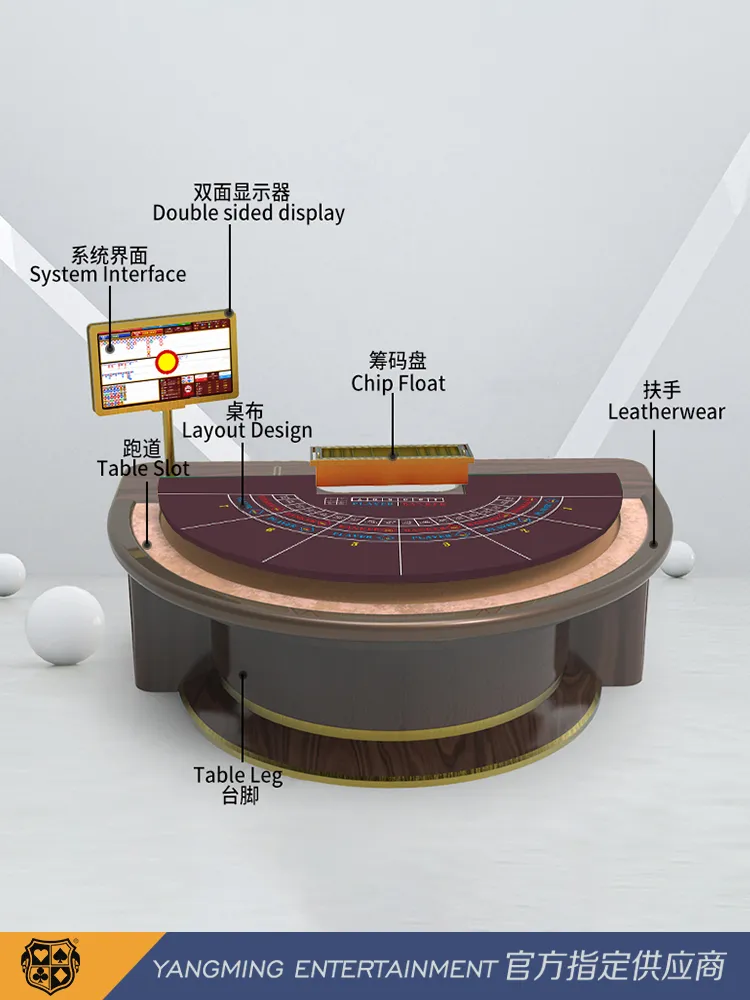
Walk into any Macau casino, and you’ll feel it. The air is thick with tension, the clatter of chips, and the hushed whispers of high rollers. But one game sits above the rest — baccarat. It’s not just a game here; it’s a cultural phenomenon. Let’s rewind and trace how baccarat became the heartbeat of Macau’s gambling scene.
The Portuguese roots: a game arrives from Europe
Baccarat didn’t start in Asia. It actually traces back to 15th-century Italy, then France, where it was a favorite of the aristocracy. But Macau? That’s a different story. When the Portuguese colonized Macau in the 16th century, they brought more than just trade and architecture — they brought gambling culture. By the 19th century, baccarat variants like chemin de fer were being played in Macau’s early casinos.
But here’s the thing — it wasn’t an instant hit. The local population preferred games like fan-tan and pai gow. Baccarat felt… foreign. Too European. Too complicated for the average punter. It took decades for the game to find its footing.
The turning point: Macau’s monopoly era
In 1962, the Macau government granted a monopoly to the Sociedade de Turismo e Diversões de Macau (STDM), led by the legendary Stanley Ho. This was a game-changer. Ho understood that to attract tourists — especially wealthy Chinese from Hong Kong and Southeast Asia — he needed a game that felt exclusive but simple. Baccarat fit perfectly.
Why? Because baccarat requires zero skill. You just bet on the Player, the Banker, or a Tie. That simplicity appealed to the Chinese cultural preference for luck-based games. No need to memorize strategies. Just place your bet and hope fate smiles on you.
How baccarat became “the Chinese game”
Here’s where it gets interesting. Chinese gamblers brought their own superstitions to baccarat. They started treating the game almost like a ritual. Players would “read the cards” — squeezing them slowly, bending them, even smelling them — to get a sense of luck. This physicality, this drama, became synonymous with Macau baccarat.
And the numbers? Well, they’re staggering. By the 1990s, baccarat accounted for over 80% of Macau’s casino revenue. It’s still the dominant game today. In fact, in 2023, baccarat made up roughly 85% of all gambling revenue in Macau. That’s not a trend — that’s a cultural obsession.
The Macau vs. Las Vegas divide
You know what’s funny? In Las Vegas, baccarat is a niche game. It’s tucked away in high-limit rooms, played by a handful of whales. But in Macau? It’s everywhere. On the main floor, in private salons, even in junket rooms. The difference is cultural.
Western gamblers love variety — blackjack, poker, slots. Chinese gamblers, especially from mainland China, prefer a single, straightforward game where luck reigns supreme. Baccarat is that game. It’s almost meditative. You sit, you bet, you watch. No decisions. No pressure. Just fate.
The role of junkets and VIP culture
No discussion of Macau baccarat is complete without mentioning junkets. These are middlemen who bring high rollers to casinos, offering credit, luxury suites, and private gaming rooms. In the 2000s and 2010s, junkets fueled an explosion in baccarat play. VIP baccarat — where minimum bets can hit hundreds of thousands of dollars — became the backbone of Macau’s economy.
But it wasn’t just about money. It was about status. Playing baccarat in a private salon, with a personal dealer and a bottle of Hennessy XO on the table, was a symbol of success. It was a way for Chinese businessmen to network, to show off, to engage in a kind of social theater.
Honestly, the junket system also had a dark side — debt, corruption, and eventually a government crackdown in 2021. But during its heyday, it turned baccarat into a cultural ritual that blended gambling, business, and face-saving.
Superstitions and rituals: the soul of Macau baccarat
Let’s talk about the quirks. In Macau, baccarat tables are often surrounded by players who believe in feng shui. They’ll change seats if they lose. They’ll blow on the cards. They’ll wear red underwear for luck. Some even hire “luck enhancers” — people believed to bring good fortune — to sit beside them.
One of the most famous rituals? The “card squeezing” I mentioned earlier. Players will slowly peel back the edge of the card, millimeter by millimeter, building suspense. It’s not just a game — it’s a performance. The dealer waits. The crowd holds its breath. And when the card is revealed, there’s either a roar of joy or a groan of despair.
This ritualistic approach is deeply rooted in Chinese culture, where luck is seen as something you can influence through behavior. Baccarat, with its slow pace and minimal decisions, becomes a canvas for these superstitions.
Baccarat in the modern era: from junkets to mass market
After the junket crackdown, Macau’s casinos shifted focus. They started targeting the mass market — everyday tourists, not just billionaires. And guess what? Baccarat adapted. Now you see lower minimum bets, electronic baccarat machines, and even mini-baccarat tables. The game is democratizing.
But the cultural DNA remains. Even on a $10 minimum table, you’ll see players squeezing cards, whispering to the dealer, and tracking “roads” — those complex patterns of past results that players believe predict future outcomes. It’s a blend of tradition and modernity.
In fact, the “road” system — where players use pen and paper to chart winning streaks — is almost unique to Macau. You won’t see it in Vegas. It’s a visual, almost artistic way of engaging with the game. Some players treat it like a form of divination.
The future: will baccarat’s reign continue?
That’s the million-dollar question. With Macau diversifying into non-gaming attractions — theme parks, concerts, conventions — some wonder if baccarat will lose its grip. But I doubt it. The game is too deeply woven into the fabric of Macau’s identity. It’s not just gambling; it’s a cultural artifact.
Sure, younger generations might prefer slot machines or poker. But for now, baccarat remains the undisputed king. It’s the game that built Macau, the game that symbolizes luck, status, and a unique fusion of East and West.
And honestly? That’s kind of beautiful. A game from Renaissance Italy, adapted by Portuguese colonists, and then transformed by Chinese gamblers into something entirely new. It’s a cultural history written in cards and chips.
So next time you sit at a baccarat table in Macau, remember — you’re not just playing a game. You’re participating in a living, breathing tradition that spans centuries and continents. And that’s worth a bet, don’t you think?