
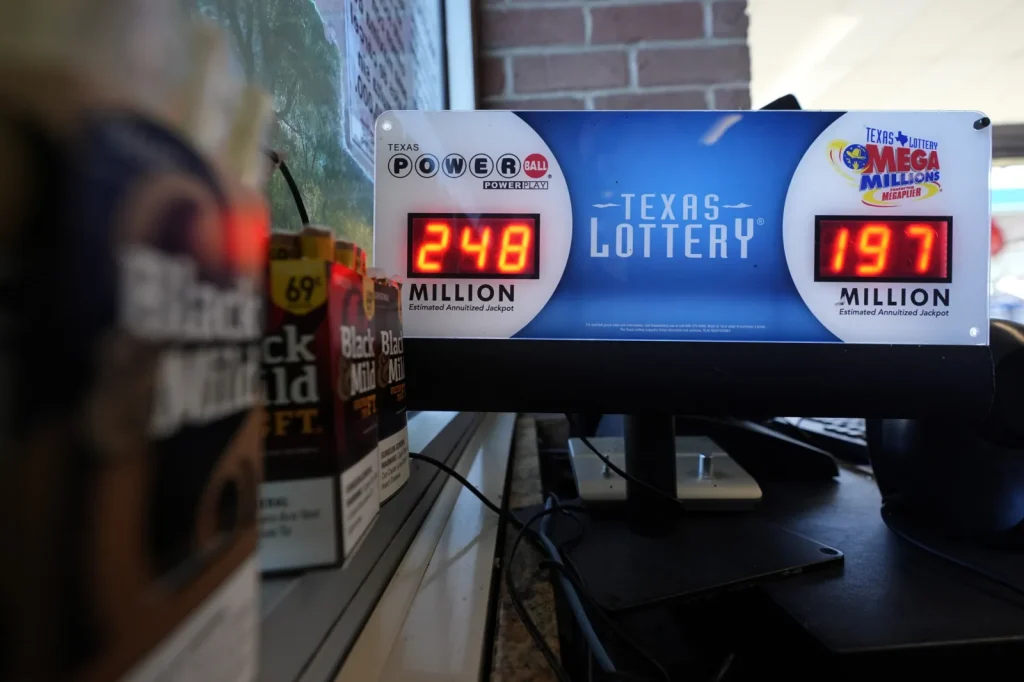
Let’s be honest for a second. Dreaming of a massive Powerball or EuroMillions jackpot is fun. But staring at those astronomical odds—like 1 in 292 million—can feel a bit like planning your retirement on Mars. Exciting, but not exactly… grounded.
Here’s the deal, though. The lottery world is bigger than those headline-grabbing games. Honestly, it’s vast. Tucked away in various countries are national lotteries that fly under the radar. Their jackpots might be smaller, but their odds are often dramatically better. It’s the difference between searching for a single, specific grain of sand on a beach and finding a pebble in a small, well-defined garden.
Why Look Beyond the Big Names?
Sure, we all know the allure of a nine-figure prize. But for many players, the real pain point is the relentless cycle of buying tickets and feeling like you’re throwing money into a void. Lesser-known lotteries flip that script. The jackpots are often in the hundreds of thousands or low millions—life-changing money, without the near-impossible odds. You trade a microscopic chance for a huge sum for a significantly better chance for a still-transformative sum.
And there’s another perk: novelty. Exploring these games is like being a culinary tourist, skipping the overcrowded chain for the amazing local bistro only the residents know about.
Spotlight on Hidden Gems: Better Odds Around the World
Alright, let’s dive in. Here are a few national lotteries that deserve a spot on your radar.
Sweden’s Triss Scratch-Offs
Scandinavia does a lot of things well, and lottery odds might just be one of them. Sweden’s state-owned Triss instant game is a cultural staple. The key here is transparency and odds. Many Triss games have overall odds as good as 1 in 4 or 1 in 5. That’s right—you have a 20-25% chance to win something on a single ticket.
The top prizes aren’t hundreds of millions, but they are substantial (often in the millions of SEK). It’s built for more frequent, smaller wins, which honestly, can be a more satisfying experience. Think of it as a steady drizzle of luck rather than waiting for a lightning strike.
Spain’s Bonoloto
Overshadowed by the massive El Gordo, Spain’s Bonoloto is the workhorse with better odds. It’s a 6/49 game, meaning you pick 6 numbers from 1-49. Sounds standard? Well, compare it. The jackpot odds are about 1 in 14 million. Now, that’s still a long shot, but put it next to Powerball’s 1 in 292 million… you see my point. It’s over 20 times more likely to happen.
Jackpots start at a guaranteed €400,000 and roll. It’s a classic, no-frills draw that gives you a fighting chance without needing a population-sized syndicate.
South Africa’s Lotto (Not the UK One)
South Africa’s national Lotto is a 6/52 game. The odds to win the jackpot (matching all 6) are roughly 1 in 20.4 million. Again, let’s contextualize: that’s about 14 times better than the odds for the US Mega Millions. The prizes? They regularly climb into the tens of millions of Rand (multiple millions in USD or Euros). For a player seeking better mathematical footing, it’s a compelling option.
A Quick-Reference Table: Odds Comparison
| Lottery Name | Country | Game Format | Approx. Jackpot Odds | Why It’s Interesting |
| Triss (Top Prize) | Sweden | Scratch-off | Varies by ticket; often 1 in ~500,000 for top prize | Exceptionally clear odds & high overall win probability. |
| Bonoloto | Spain | 6/49 | 1 in 13.98 million | Classic format with dramatically better odds than mega-games. |
| SA Lotto | South Africa | 6/52 | 1 in 20.4 million | Strong jackpots with a much more reasonable probability scale. |
| Powerball (For Contrast) | USA | 5/69 + 1/26 | 1 in 292.2 million | The benchmark for “long-shot” dreams. |
Important Considerations Before You Play Globally
Now, don’t just rush off to buy tickets. Navigating these lesser-known national lotteries comes with a few caveats. You know, the fine print that matters.
- Legality & Tax Implications: Purchasing tickets from a foreign lottery as a non-resident is a gray area—or outright illegal—in many jurisdictions. Most people use fully authorized lottery messenger services to buy tickets legally on their behalf. And taxes? They can be complex. Some countries withhold tax for non-residents; others don’t. You might also owe tax in your home country. It’s crucial to research this.
- Jackpot Size vs. Odds: This is the core trade-off. You’re explicitly choosing better odds over world-altering jackpots. For some, that’s a liberating shift in strategy.
- Currency & Payouts: Prizes are paid in the local currency. Exchange rates and international bank transfers can whittle down a win. Also, understand the payout structure—is it annuity or lump sum? Many of these lotteries pay lump sums, which is simpler for international winners.
Shifting the Mindset: From Dreamer to Strategic Player
Exploring these options requires a subtle mindset shift. It moves you from being a pure dreamer, buying a ticket for a fantasy, to something closer to a strategic player making a calculated risk assessment. You’re allocating your “luck budget” towards games that respect probability a bit more.
It’s not about giving up on big dreams. It’s about widening the field. About realizing that a windfall that clears your debts, buys a home, and secures an education fund is not a “consolation prize”—it’s a life-changing victory that’s statistically within closer reach.
In the end, the global lottery landscape is richer and more varied than we often assume. Beyond the blinding lights of the mega-jackpots, there exists a whole ecosystem of games with better odds, each with its own local character and promise. Sometimes, the best chance isn’t found in the biggest crowd, but in the quieter, less-traveled corners of the world.