
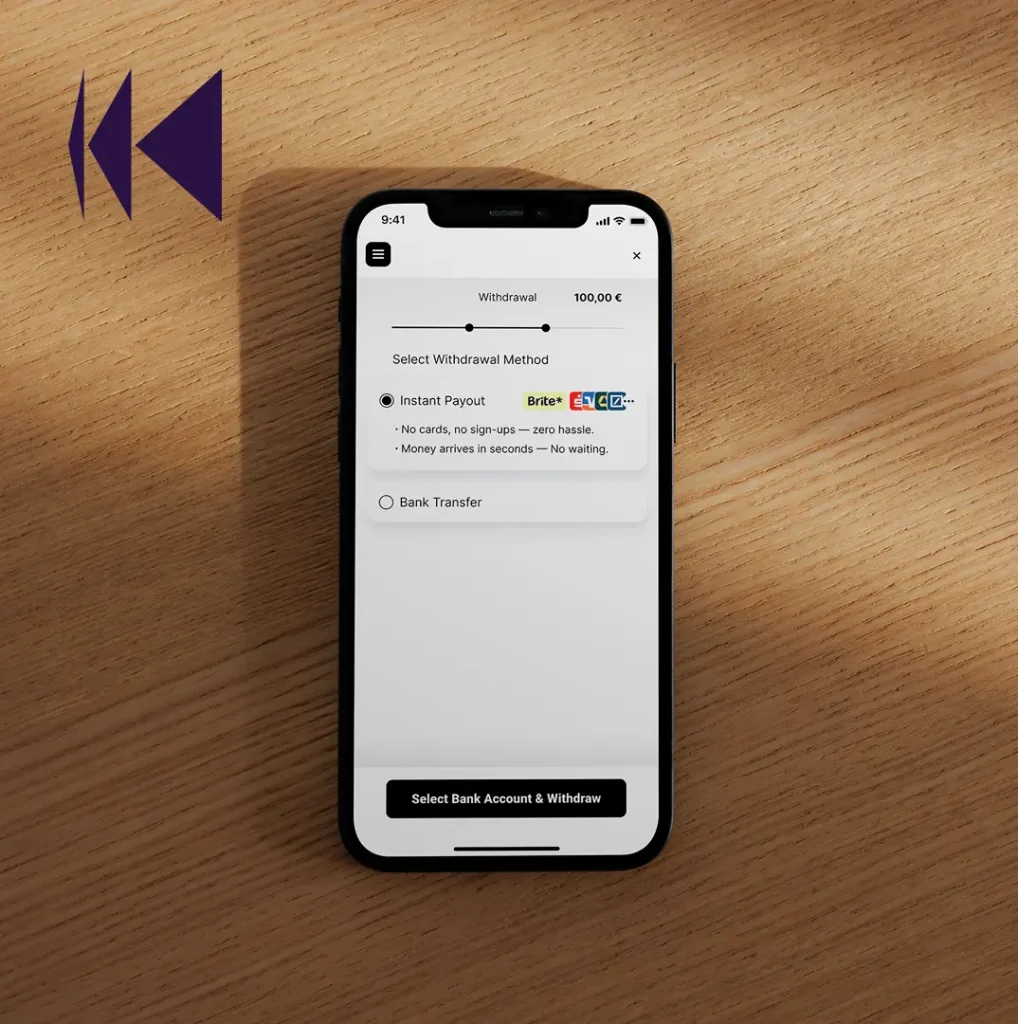
Imagine this: you’re on your couch, scrolling through your phone, and you get the itch to play a few rounds of blackjack. You don’t want to upload your driver’s license, wait for a verification email, or—heaven forbid—remember another password. That’s exactly where the no-account casino model steps in. It’s fast, it’s frictionless, and honestly, it feels a little bit like magic. But behind that sleek user experience lies a fascinating blend of business strategy and cutting-edge technology. Let’s pull back the curtain.
What Exactly Is a No-Account Casino?
Also called “pay-and-play” or “Pay N Play” casinos, these platforms skip the traditional registration process. You don’t create a username, set a password, or upload ID documents. Instead, you just deposit money using a supported payment method—usually Trustly or other open banking solutions—and boom, you’re in. The system identifies you through your bank account, not an email address.
It’s like walking into a bar where the bartender already knows your name and your usual drink. No ID check at the door. Just action.
The Tech That Makes It Tick
The core technology here is open banking and API-driven identity verification. When you make a deposit via Trustly, the system pulls your verified identity data directly from your bank. Your name, date of birth, and even address are checked in real-time against national registries. It’s secure, it’s fast, and it’s GDPR-compliant (for European markets).
Behind the scenes, a web of microservices handles everything from fraud detection to session management. The casino doesn’t store your personal data—it just uses the bank’s verification to create a temporary “token.” Once you log out, that token expires. No leftover data sitting on a server somewhere. That’s a big deal for privacy-conscious players.
The Business Case: Why Operators Love This Model
From a business perspective, no-account casinos are a goldmine. Here’s why:
- Higher conversion rates: Traditional sign-up forms lose up to 30% of potential players. Pay-and-play removes that barrier entirely. You go from “interested” to “playing” in under 60 seconds.
- Lower support costs: Fewer password resets, fewer verification disputes, fewer “I forgot my username” tickets. It’s a dream for customer service teams.
- Faster time-to-revenue: No account creation means no delay. The deposit triggers gameplay instantly. Operators see money flowing in minutes, not days.
- Reduced churn: Players who hit a friction point during registration often bounce. This model keeps them engaged from the first click.
But here’s the kicker—it also builds trust. When players see they don’t have to hand over sensitive data, they feel safer. And in an industry often viewed with skepticism, that’s worth its weight in gold.
Where’s the Catch? Pain Points and Pitfalls
Alright, let’s be real for a second. No-account casinos aren’t perfect. They come with their own set of headaches.
Geographic Limitations
This model relies heavily on open banking infrastructure, which is strong in Scandinavia and parts of Europe but weak in the US, Asia, or Africa. If you’re not in a supported market, you’re out of luck. That’s a pretty big limitation for global operators.
Withdrawal Speed vs. Security
Withdrawals are usually fast—sometimes instant—because the system sends money back to the same bank account used for deposit. But that speed can be a double-edged sword. Fraudsters love quick exits. Operators have to invest heavily in real-time risk scoring to prevent money laundering. It’s a constant arms race.
No Account Means No CRM Data
Here’s a weird trade-off: without an account, you can’t build a detailed player profile. No email for marketing, no behavioral data for personalized offers. Operators have to rely on session-based analytics instead. That’s harder to optimize. Some casinos get around this by offering optional “loyalty wallets” or cookies, but it’s not the same as a full CRM system.
The Tech Stack: A Peek Under the Hood
If you’re a tech nerd (like me), this part is juicy. Here’s a simplified breakdown of what runs a pay-and-play casino:
| Component | What It Does | Example Providers |
|---|---|---|
| Payment Gateway | Handles deposits and withdrawals via open banking | Trustly, Zimpler, Brite |
| Identity Verification API | Checks player data against bank records & registries | BankID, Veriff, Mitek |
| Session Management | Creates temporary tokens for gameplay | Custom-built, Redis-based |
| Fraud Detection Engine | Scores transactions in real-time | SEON, Forter, Riskified |
| Game Aggregator | Connects to slot & table game providers | Evolution, NetEnt, Play’n GO |
Notice something missing? There’s no traditional database storing user profiles. That’s the whole point. The system is stateless—it only keeps data during the active session. Once you close the tab, your digital footprint vanishes. It’s like a casino that forgets you the moment you leave the building.
Regulation and Compliance: Walking a Tightrope
Regulators aren’t exactly thrilled about anonymity in gambling. So how do no-account casinos stay legal? Well, they don’t actually allow anonymity—they just shift the identity check to the bank. The bank already verified you when you opened your account. The casino piggybacks on that verification.
In places like Sweden and the UK, this model is fully licensed. But it requires operators to implement affordability checks and self-exclusion tools (like Spelpaus in Sweden). The technology has to support these checks without storing permanent data. It’s a delicate balance—think of it as a tightrope walk between privacy and player protection.
Some critics argue that pay-and-play makes it easier for problem gamblers to chase losses quickly. Operators counter that the speed also allows for faster cooling-off periods. The debate is ongoing, and regulations are evolving fast.
User Experience: The Real Winner
Let’s not forget the player. For the average user, no-account casinos are a breath of fresh air. No endless forms. No waiting for a verification email that ends up in spam. No “please confirm your identity by sending a photo of your passport” nonsense.
You click “Deposit,” choose your bank, log in via your banking app (with biometrics, probably), and the money lands in the casino wallet instantly. The whole process takes less than 30 seconds. It’s smoother than ordering a pizza.
And withdrawals? Same speed. You request a payout, and it hits your bank account within minutes. No 48-hour pending periods. No “we need to verify your documents first.” It’s the closest thing to instant gratification in online gambling.
The Future: Where Is This Heading?
I think we’re only scratching the surface. As open banking expands globally—especially with initiatives like PSD3 in Europe and similar frameworks in other regions—the no-account model will spread. We might even see hybrid systems where players can choose between a full account (for loyalty perks) or a pay-and-play session (for quick action).
Blockchain could also play a role. Some crypto casinos already offer “no KYC” experiences, but they’re often in regulatory gray zones. The real innovation will come when fiat-based pay-and-play systems integrate with decentralized identity solutions. Imagine a world where your digital wallet acts as both your ID and your payment method. That’s not sci-fi—it’s probably five years away.
But here’s the thing: the model’s success depends on trust. If banks or regulators tighten the screws, the whole house of cards could wobble. For now, though, it’s one of the most exciting developments in iGaming.
Final Thoughts (Without the Fluff)
No-account casinos aren’t just a trend—they’re a response to a very human desire: I want to play now, not later. The technology behind it is elegant in its simplicity, yet complex in its execution. From open banking APIs to real-time fraud scoring, every piece has to work in perfect harmony. And the business model? It’s lean, efficient, and brutally focused on conversion.
Sure, there are trade-offs. Less data for personalization. Geographic limits. Regulatory landmines. But for the player who values speed and privacy above all else, this model is the best thing since sliced bread. Maybe even better.
So next time you see a casino ad promising “no account needed,” you’ll know what’s humming beneath the surface. It’s not magic. It’s just really, really smart engineering.